If you’re trying to put on weight, focusing on foods rich in protein, healthy fats, complex carbs, and full-fat dairy can really help. What you choose to eat should always match your personal health and fitness goals.
For many people, gaining weight or building muscle can be just as challenging as losing weight. To gain weight in a healthy way, you’ll need to eat more calories than your body burns, usually by having more frequent and nutrient-dense meals.
Including the right foods in your diet can give you the extra calories, protein, and nutrients needed to support safe and effective weight gain.
Below are 18 great food options that can help you gain weight or build muscle in a way that works best for your body.
1. Homemade protein smoothies
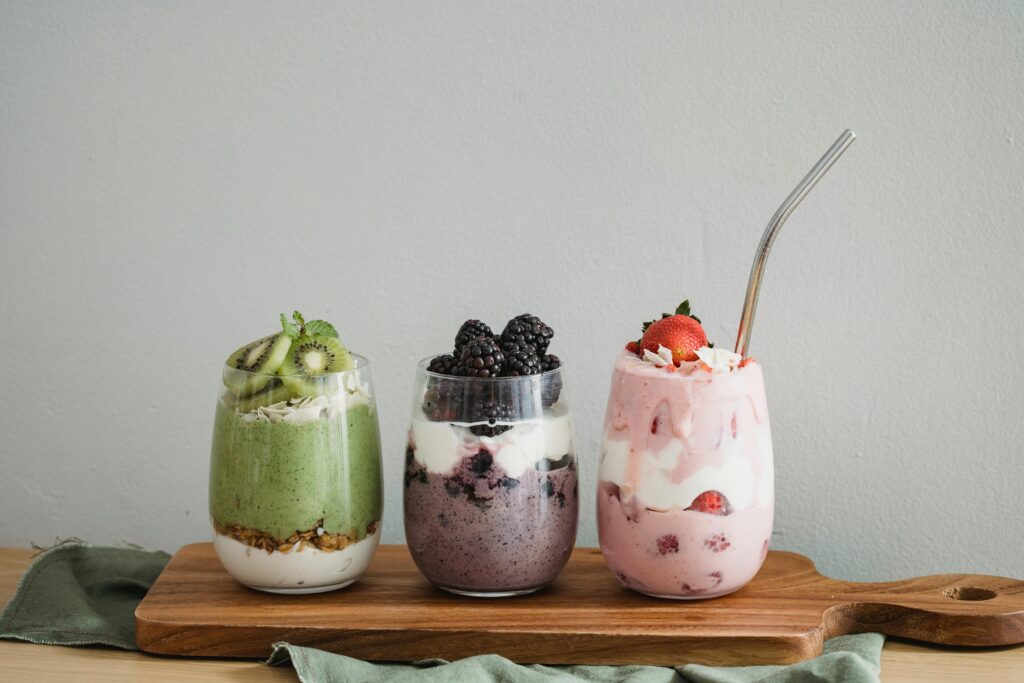
Homemade protein smoothies are an excellent and nutritious way to gain weight. When you make them yourself, you can choose exactly what goes into them and easily increase the calories to support healthy weight gain.
Here are a few delicious smoothie ideas you can try. For the base, use 2 cups (470 mL) of dairy milk — or soy milk if you’re lactose intolerant — since both provide more calories and nutrients than most other milk alternatives:
Chocolate Banana Nut Shake
Blend 1 banana, 1 scoop of chocolate whey protein, and 1 tablespoon (15 mL) of peanut butter or any nut butter you like.
Vanilla Berry Shake
Blend 1 cup (237 mL) of fresh or frozen mixed berries, a handful of ice, 1 cup (237 mL) of high-protein whole-milk Greek yogurt, and 1 scoop of vanilla whey protein.
Super Green Shake
Blend 1 cup (237 mL) of spinach, 1 avocado, 1 banana, 1 cup (237 mL) of pineapple, and 1 scoop of unflavored or vanilla whey protein.
Each of these smoothies can give you around 400–600 calories, plus a good amount of protein, vitamins, and minerals — perfect for supporting healthy weight gain.
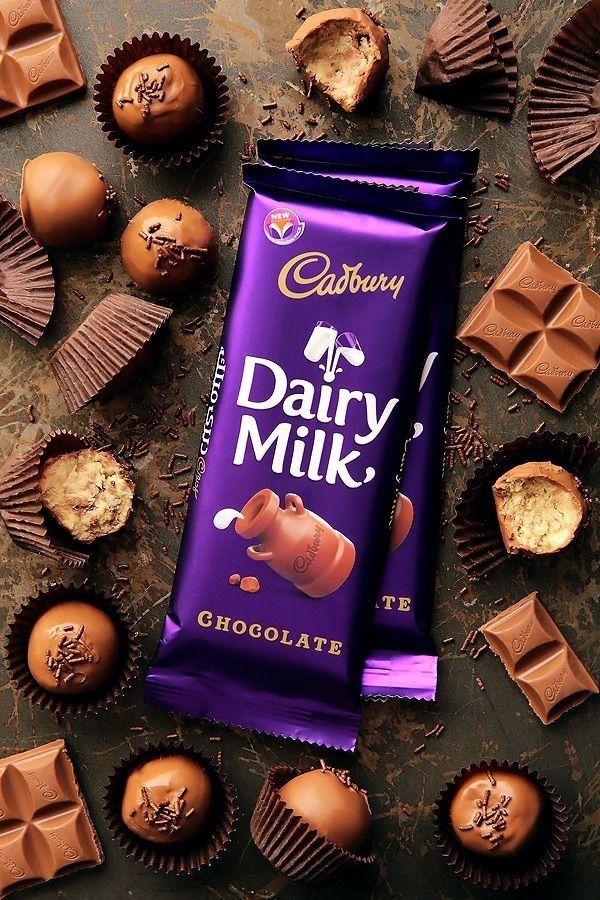
Milk has been a popular choice for gaining weight and building muscle for many years. It offers a good mix of protein, carbohydrates, and healthy fats. Plus, it’s rich in calcium and other important vitamins and minerals.
If your goal is to build muscle, milk is a great option because it contains both casein and whey protein — two types of protein that help support muscle growth. Research in 2018 showed that drinking cow’s milk along with weight training can help increase muscle mass.
Some studies also suggest that milk, or a combination of whey and casein protein, can help you gain more muscle compared to other protein sources.
For a simple boost, have a glass of whole milk as a snack, with your meals, or before and after your workout. Just one cup (237 mL) gives you around 149 calories and 8 grams of protein.
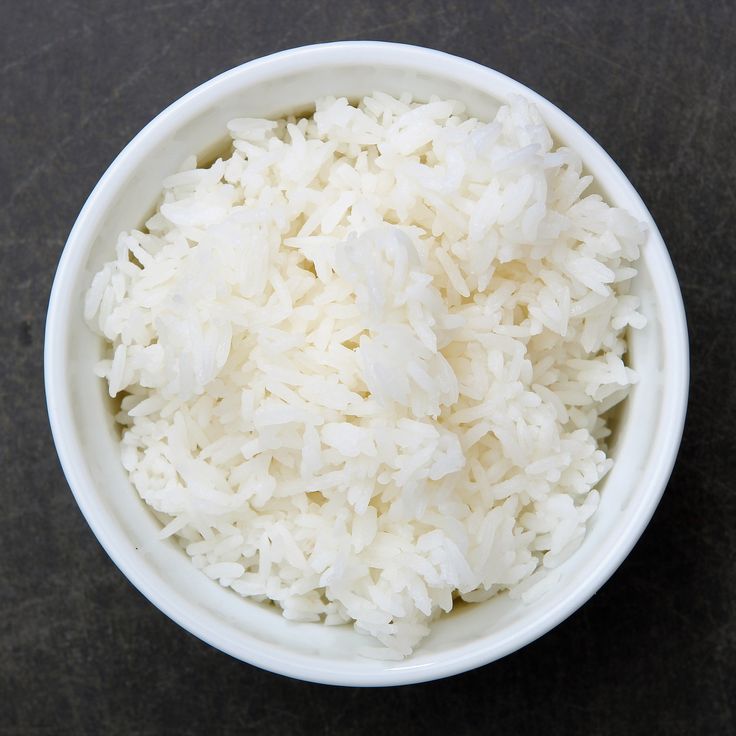
Rice is an easy and affordable source of carbohydrates that can help you gain weight. Just one cup (158 g) of cooked white rice gives you about 204 calories and 44 grams of carbs, with hardly any fat.
Because rice is calorie-dense, you can get a lot of energy in just one serving. This is especially useful if you struggle with low appetite or feel full quickly — you can still get enough calories without eating a huge amount of food.
If you’re busy or short on time, microwave-ready rice packs can be a quick solution. You can easily pair them with protein-rich foods to make a complete meal.
Another simple approach is to cook a large batch of rice ahead of time. Keep it in the fridge or freeze individual portions so you can mix it with different proteins and healthy fats throughout the week. Rice works great for multiple smaller meals during the day.
You can make rice tastier and more nutritious by stirring in ingredients like:
- Butter and Parmesan cheese
- Broccoli and cheese
- Scrambled eggs
- Toasted sesame seeds, peanuts, or cashews
You can also boost the flavor with sauces such as:
With just a few additions, a bowl of rice can turn into a complete meal. For example, try a rice dish with chicken and vegetables like kale for a balanced lunch — around 400 calories per serving.
4. Nuts and nut butter
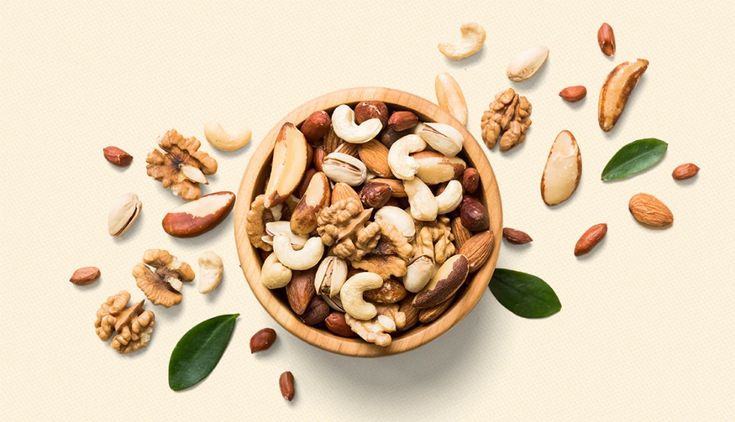
Nuts and nut butters are a great addition if you’re trying to gain weight in a healthy way.
For example, just a small handful of raw almonds (about 1/4 cup or 32 g) gives you around 170 calories, 6 g of protein, and 15 g of healthy fats — all packed into one tiny snack.
Because nuts are so rich in calories, eating just two handfuls a day — either with meals or as a snack — can help you increase your daily calorie intake without eating a lot more food.
Nut butters are also super versatile. You can mix them into smoothies, spread them on crackers, or stir them into yogurt to instantly make your snack more filling and calorie-rich.
If you need a quick energy boost, try a simple peanut butter banana smoothie. It only needs three ingredients and can give you about 270 calories when made with whole milk. If you’re allergic to peanuts or other nuts, you can always swap in a safe nut or seed butter instead.
Just be sure to choose nut butter that’s 100% nuts — no added sugar or unnecessary oils. Or, if you want a more budget-friendly option, you can easily make your own at home using an almond butter recipe. It’s simple, healthy, and can save you money too!
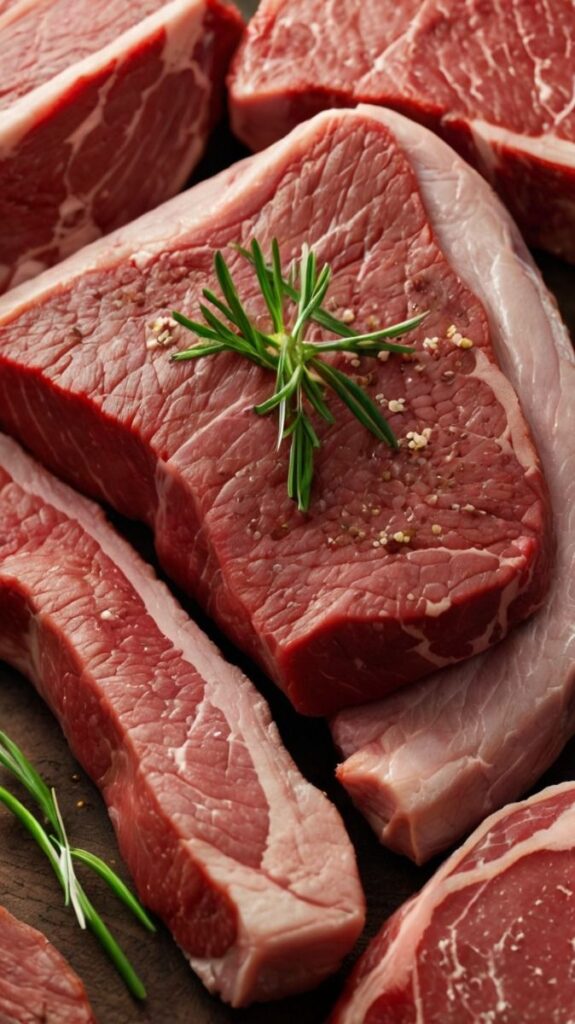
5.Red meats
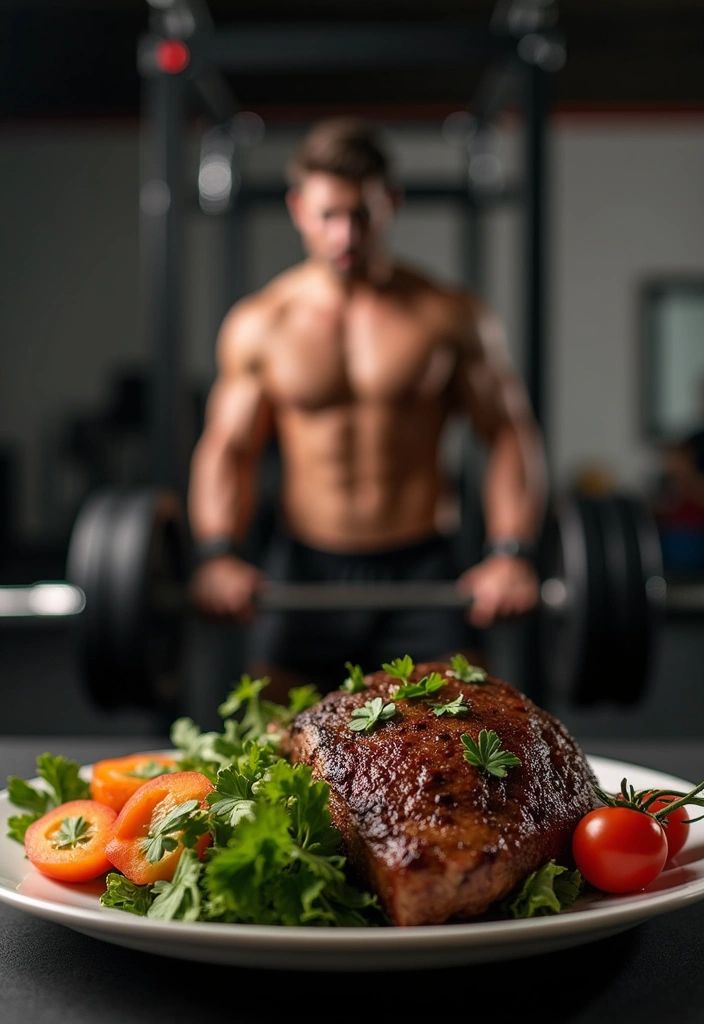
Red meats like beef and pork are some of the best foods you can eat if you want to build muscle.
For example, a small 3 oz (85 g) serving of steak gives you about 228 calories, 24 g of protein, and around 2.5 g of leucine — an important amino acid that helps your body build and repair muscle tissue.
Red meat is also a natural source of creatine, a compound that supports muscle growth, strength, and overall performance.
If you’re trying to gain weight, choosing fattier cuts of meat can help you boost your calorie intake faster than leaner options like pork tenderloin. Both are nutritious, but fattier cuts add extra calories, which can be helpful for weight gain.
Studies also show that including red meat in your diet — along with strength training — can help improve muscle mass and even slow down age-related muscle loss.
However, it’s important to enjoy red meat in moderation. Eating too much has been linked with certain health risks, like colorectal cancer. Many experts suggest limiting red meat to around 50 g per day to stay on the safe side.
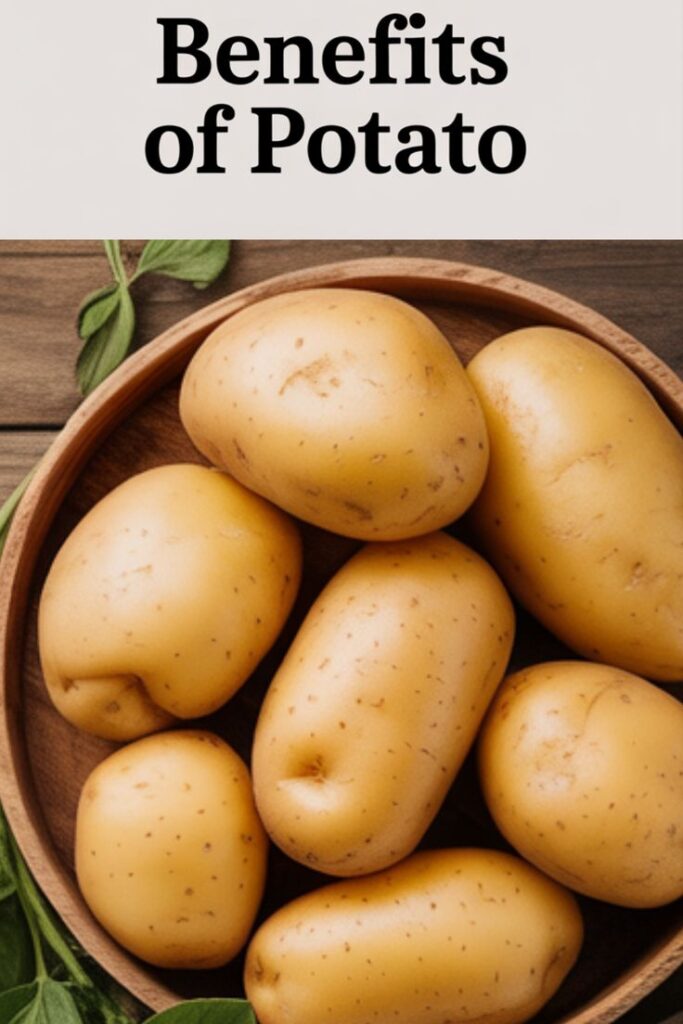
6.Potatoes and complex carbohydrates
Potatoes and other complex carbs are an affordable and tasty way to add more calories to your diet.
Complex carbohydrates help give you steady energy throughout the day, and they also come packed with useful nutrients like fiber, potassium, and vitamins — especially when you choose options like whole grains or vegetables.
Some great sources of complex carbs include:
- Quinoa
- Oats
- Corn
- Buckwheat
- Potatoes and sweet potatoes
- Squash
- Winter root vegetables
- Beans and legumes
These foods don’t just boost calories — they also help your muscles store glycogen. Glycogen is the main fuel your body uses during most sports and physical activities, so it’s especially helpful if you’re active.
Many of these carbs also contain resistant starch, which supports a healthy gut by feeding your good bacteria.
If you want a delicious meal idea, try a quinoa and roasted sweet potato bowl — it’s hearty and offers around 336 calories per serving.
To make your complex carbs even more calorie-rich, try these simple add-ons:
- Stir sour cream into baked or mashed potatoes
- Sprinkle cheese on top of quinoa or potatoes
- Toss your veggies in olive oil or avocado oil before roasting
- Spread hummus on whole grain bread, crackers, or even potatoes
- Cook oatmeal or other hot grains with dairy or soy milk instead of water
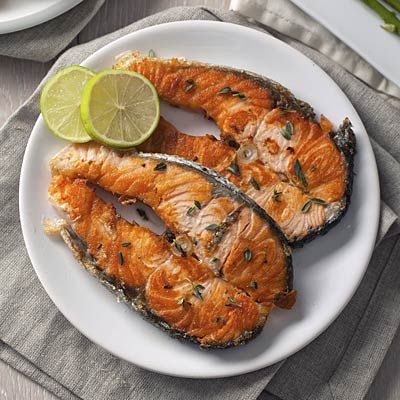
7. Salmon and oily fish
Just like red meat, salmon and other oily fish are packed with protein and healthy fats — especially omega-3 fatty acids.
Omega-3s are known for their many health benefits and may help lower the risk of diseases like heart disease.
A single 3 oz (85 g) serving of wild Atlantic salmon gives you around 155 calories, 7 g of healthy fats, and 22 g of high-quality protein — perfect for supporting muscle growth and healthy weight gain.
Salmon is also super versatile. You can steam it, grill it, bake it, sauté it, or even enjoy it raw in sushi or sashimi. If fresh salmon feels expensive, canned salmon is a great budget-friendly option that still offers plenty of nutrients.
Here are some simple and delicious ways to add salmon to your meals:
- Salmon salad swap: Replace canned tuna with canned salmon in your favorite tuna salad recipe. Add a little olive oil or mayo for extra calories.
- Cobb salad twist: Make a Cobb salad using canned salmon instead of chicken. Add bacon, egg, avocado, lettuce, and tomatoes for a satisfying meal.
- Smoked salmon snack: Spread cream cheese on whole grain bread or crackers, layer smoked salmon on top, and finish with cucumber, tomato, or capers.
- Fresh salmon salad: Toss cooked salmon with leafy greens and veggies like asparagus. Mix in whole-milk Greek yogurt, mayo, or sour cream to make it creamy and more calorie-dense.