Trump’s Controversial Remarks: India Will “Stop Buying Russian Oil”

Introduction
In mid-October 2025, Donald Trump made global headlines by stating that India — under the leadership of Narendra Modi — had pledged to stop purchasing crude oil from Russia. AP News+1 However, the claim has sparked controversy, with New Delhi calling into question whether any such agreement or conversation took place. The Guardian+1 The statement is significant because it touches on geopolitics, trade, energy security and U.S. efforts to counter Russia’s revenue stream amid the war in Ukraine.
In this article, we’ll examine what Trump said, how India responded, what the actual data suggest about India’s Russian oil imports, and why this matters for geopolitics, trade and energy.
What Trump Announced
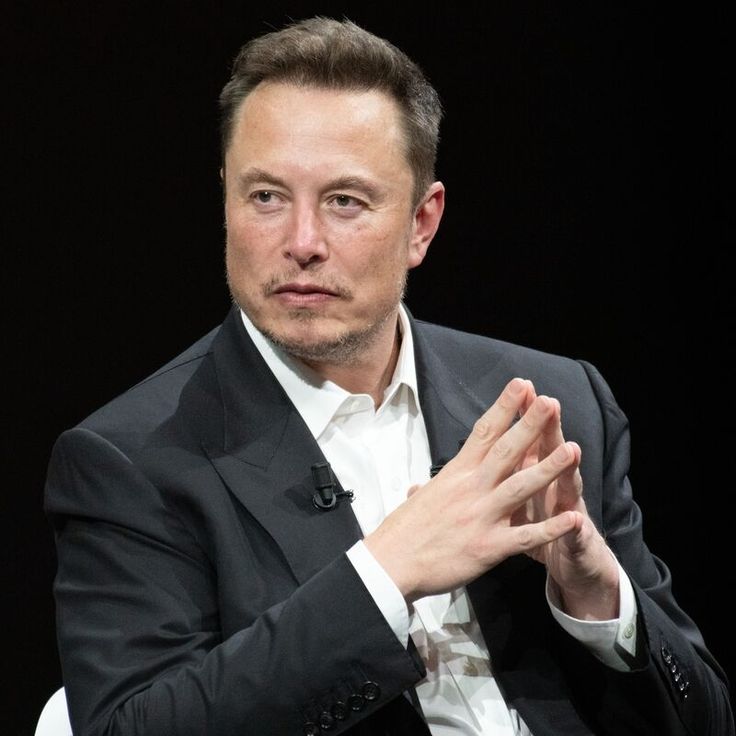
 President Trump said, during a White House press conference:
-
“I was not happy that India was buying oil [from Russia], and [Modi] has assured me today that they will not be buying oil from Russia.” Politico+1
-
He added: “You know, you can’t do it immediately, it’s a little bit of a process — but the process is going to be over with soon.” AP News+1
-
A senior White House official told reporters that India was already cutting its imports of Russian crude by 50%. Reuters+1
-
The U.S. has made curbing India’s Russian-oil purchases a core element of its trade diplomatic leverage. Reuters+1
Trump framed the remark as part of a broader strategy to pressure Russia economically and reduce Moscow’s ability to fund its war in Ukraine. AP News+1
India’s Response & the Reality Check
 India’s Official Reaction
-
The Ministry of External Affairs (MEA) in Delhi stated that India was “not aware” of any conversation between Modi and Trump on the matter. The Washington Post+1
-
MEA emphasised: “It has been our consistent priority to safeguard the interests of the Indian consumer in a volatile energy scenario. Our import policies are guided entirely by this objective.” Newsweek
-
Indian refiners and industry sources said they had not received instructions from the government to immediately cut imports of Russian crude. Reuters+1
What the Import Data Indicate
-
According to Reuters, India’s imports of Russian oil actually were set to rise about 20% to ~1.9 million barrels per day in a given month, despite the U.S. claims of a 50% cut. Reuters
-
Russian oil accounted for about 35-40% of the crude supply for some Indian refiners in the recent quarter. Reuters+1
-
So far, there is no verified, publicly-released official data showing a full stop or a 50% cut in Russian crude imports by India, despite U.S. assertions.
Why the Discrepancy?
Several factors likely contribute to the gap between Trump’s statement and India’s public stance/data:
-
Diplomatic signalling: Trump may be stating a goal or expectation, not a completed fact. He himself acknowledged “you can’t do it immediately.”
-
Energy security & market pricing: India emphasises that its purchasing decisions are driven by affordability, supply security, and diversification—not purely geopolitics. Newsweek+1
-
Domestic political dynamics: Any major shift away from Russian oil could have consequences for Indian refiners, pricing, supply chains and industry.
-
Timing & contracts: Many large oil import contracts have lead times; shipments booked months ahead complicate rapid policy shifts. Reuters
Why This Matters
1. Geopolitical Implications
-
The U.S-India relationship — once seen as a rising strategic partnership — is facing friction over trade and energy. Trump’s public claim signals the U.S. expects India to align more closely with its Russia-Ukraine strategy. Reuters
-
Russia’s oil exports are a lifeline in its war economy. Cutting buyer countries helps tighten sanctions and reduces Moscow’s revenue. India is one of the largest buyers. Wikipedia
-
India’s stance reflects its quest for strategic autonomy — balancing between U.S. expectations, its economic interests and its long-standing ties with Russia.
2. Trade & Tariffs
-
Trump’s administration has linked a U.S.–India trade deal to India’s reduction in Russian oil imports. Reuters+1
-
Earlier in 2025, the U.S. imposed tariffs up to 50% on Indian goods citing, among other things, India’s Russian oil purchases. Wikipedia
-
This dynamic raises questions: Should energy policy be used as a lever in trade negotiations? What are the consequences for global supply chains and U.S.–India economic ties?
3. Energy Security & Market Dynamics
-
India is a major energy consumer. To keep prices manageable and ensure supply, it has turned to discounted Russian crude since Western sanctions drove Russia to offer competitive terms. Wikipedia+1
-
A sudden reduction in Russian oil imports could force India to find alternative supplies, possibly more expensive or logistically challenging, which could feed into higher fuel costs for Indian consumers.
-
For the global oil market, shifts in trade flows (Russia → India → elsewhere) affect pricing, shipping routes, refining margins and geopolitical risk.
Looking Ahead: What to Watch
-
Official Indian Policy Announcement: Will India formally commit to reducing imports of Russian oil? And if so, on what timeline and terms?
-
Data Monitoring: Independent statistics on how much Russian crude India imports in coming months will clarify whether a cut is underway.
-
U.S.–India Trade Talks: Whether India’s energy policy becomes a sticking point or a topic of compromise in bilateral trade negotiations.
-
Refiner Behavior: How India’s major refiners (state and private) respond — whether they adjust purchasing, diversify supply, or maintain status quo.
-
Russia’s Response: How Moscow reacts to losing one of its largest buyers; whether it offers more steep discounts or seeks new markets.
-
Wider Diplomatic Ripple Effects: Will other large buyers of Russian energy be pressured similarly? Could this reshape alliances around energy, trade and security?
Conclusion
President Trump’s statement that India would cease buying Russian oil is bold and has stirred a diplomatic storm. While the U.S. frames it as a breakthrough in pressuring Russia, India’s public response and actual import data suggest a more complex picture. The clash touches on trade, energy security and international alignment — underscoring how interconnected 21st-century geopolitics, commerce and energy have become.
Whether this marks a genuine shift in India’s energy strategy, or primarily serves as diplomatic signalling by the U.S., remains uncertain. What is clear is that the stakes are high: for India’s economy and energy security; for U.S.–India trade relations; and for the broader global effort to influence Russia’s role in the Ukraine war.
About The Author