How AI Is Reshaping Everyday Life in 2025
As we step into 2025, artificial intelligence (AI) has become an integral part of our everyday lives, influencing everything from how we manage our homes to the way we interact with our communities and the healthcare systems we rely on. The advancements in AI technology have not only enhanced convenience but also transformed various sectors, creating new opportunities and challenges. With AI-powered personal assistants managing our routines, smart cities optimizing urban living, and innovations in healthcare and education, the landscape of daily life is evolving at an unprecedented pace. This article explores the multifaceted ways AI is reshaping our interactions, experiences, and expectations in the world around us.
The Rise of AI in Daily Routines
Integration of
By 2025, AI has woven itself into the very fabric of our daily lives, enhancing everything from morning coffee brewing to bedtime story-telling. Smart algorithms are now seamlessly integrated into apps and devices, learning our preferences and habits faster than we can say “machine learning.” Whether it’s a helpful suggestion for your grocery list or an optimized route for your commute, AI technologies are like the friendly ghost of tech—always there, but never really in your way.
Examples of AI in Household Tasks
Imagine your vacuum cleaner not only knowing when to clean but also anticipating the pet hair crisis before you even see it. In 2025, kitchen appliances can recommend recipes based on what’s left in your fridge, while washing machines can schedule cycles when electricity rates drop. From smart fridges that remind you when your milk is about to expire to AI-driven dishwashers that know the ideal cycle for your favorite glassware, household chores have become less of a chore and more of a “let the machines do their thing” situation.
AI-Powered Personal Assistants: Transforming Home Life
Voice Recognition and Natural Language Processing
Gone are the days when we had to converse with our devices like they were stubborn toddlers. AI-powered personal assistants in 2025 understand us better than some of our closest friends (sorry, Karen). With advanced voice recognition and natural language processing, these assistants respond to commands with impressive clarity and accuracy, helping with everything from scheduling appointments to managing grocery lists—all while sounding like they actually care about your plans.
Home Automation and Smart Devices
Your home has become a hub of convenience, controlled by a touch or a simple “Hey, AI.” From smart thermostats that learn your comfort levels to intelligent lighting that adjusts based on your mood—or the fact that you’re binge-watching your favorite show—home automation has never been easier. Forget the days of running around the house to check if you left the lights on. Now, with a few taps on your phone or a well-timed voice command, you can turn your home into a cozy retreat or a party zone in seconds.
Smart Cities: Enhancing Urban Living with AI

Traffic Management and Transportation Systems
In 2025, navigating city streets has morphed from an exercise in patience to a more streamlined experience, thanks to AI. Smart traffic lights adjust in real-time based on vehicle flow, reducing congestion and making rush hour a bit less dire. Public transportation systems equipped with AI can predict peak hours and adjust schedules accordingly, meaning you might actually catch your bus without feeling like a sardine in a tin can. It’s urban living made smarter—because who wants to waste time in gridlock?
Public Safety and Surveillance Technologies
With AI-enhanced surveillance systems, cities are stepping up their public safety game. AI can analyze camera feeds in real-time, identifying suspicious behavior before it escalates. Think of it as a digital watchful eye that’s always on the lookout. While this does raise some eyebrows regarding privacy, the upside is a potentially safer environment, with quick responses to incidents and a sense of security that can significantly enhance urban living.
AI in Healthcare: Revolutionizing Patient Care
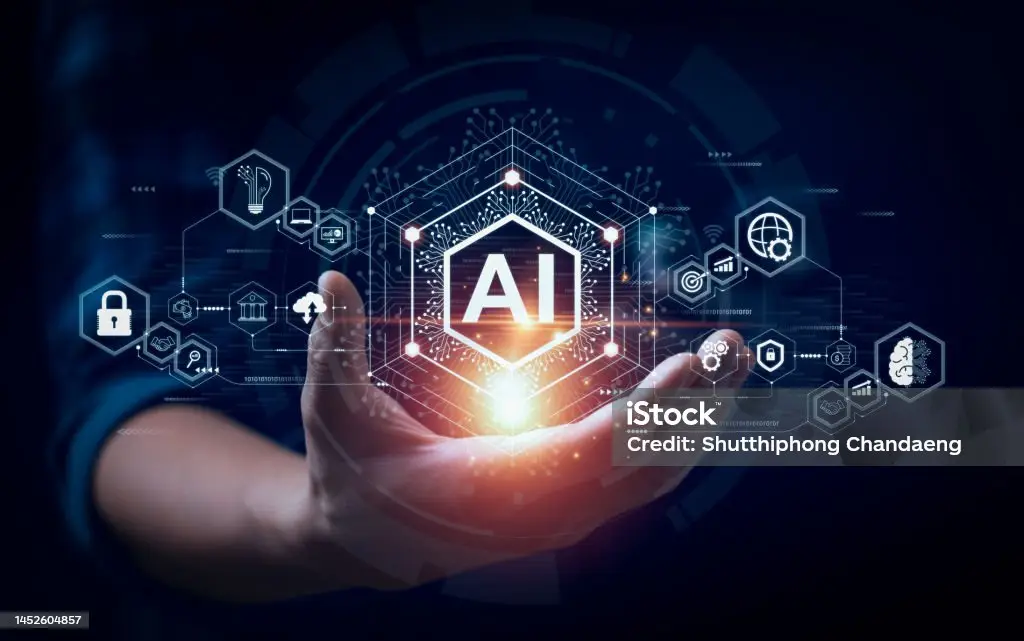
Automation, Predictive analytics, Customer service AI-powered chatbot, analyze customer data, business and technology
Predictive Analytics for Disease Prevention
Predictive analytics powered by AI is changing the healthcare landscape by shifting focus from treatment to prevention. By analyzing vast amounts of data, AI can identify patterns and risk factors, allowing healthcare providers to intervene before things spiral out of control. Whether it’s identifying an outbreak before it spreads or suggesting lifestyle changes before a condition develops, AI is helping us take control of our health in ways we never thought possible.
Telemedicine and Remote Patient Monitoring
By 2025, the days of waiting weeks for a doctor’s appointment are long gone. Telemedicine, buoyed by AI, allows for consultations from the comfort of your couch. Remote patient monitoring systems provide real-time data to healthcare providers, enabling them to keep tabs on patients with chronic conditions without having to hog their time in a waiting room. It’s healthcare that fits into our lives rather than the other way around—because nobody wants to choose between an appointment and their Netflix lineup.The Impact of AI on Education and Learning
Personalized Learning Experiences
In 2025, classrooms have transformed into vibrant learning ecosystems powered by AI. Forget the one-size-fits-all approach; now, each student receives tailored lessons that cater to their unique learning style and pace. AI analyzes performance data, identifies strengths and weaknesses, and presents customized resources to keep students engaged. It’s like having a personal tutor who knows exactly when you need a pep talk or a gentle nudge!
AI in Administrative Tasks
Teachers can finally put down their stacks of paperwork and breathe a sigh of relief. AI handles administrative tasks like grading, scheduling, and even tracking attendance, allowing educators to focus on what they do best—teaching. This means more time for creativity in lesson planning and, let’s be honest, less time spent drowning in paperwork. Who knew that AI could be the teacher’s best friend?
AI and the Future of Work: New Opportunities and Challenges
element ,3d illustration
Job Transformation and Skill Development
By 2025, the workplace looks a lot different thanks to AI. While some jobs have disappeared faster than you can say “robot uprising,” many have transformed instead. Workers are now focusing on high-level problem-solving and creativity, while AI takes over repetitive tasks. This shift necessitates upskilling and reskilling, making continuous learning essential. Companies are investing in employee training programs—because who wouldn’t want to stay relevant in an era where machines can do the cha-cha better than most humans?
The Gig Economy and AI-Driven Platforms
The gig economy is booming, with AI-driven platforms revolutionizing how freelancers find work. Now, tech-savvy giggers can connect with clients seamlessly and manage projects with AI-assisted tools that help streamline communication and scheduling. It’s a brave new world where flexibility reigns supreme, but it also means juggling multiple jobs like a circus performer. Hold on tight; it’s going to be a wild ride!
Ethical Considerations in an AI-Driven Society
Privacy and Data Security Concerns
With great power comes great responsibility, and AI does not get a pass on this one. In 2025, discussions about privacy and data security have hit critical mass. As AI systems collect heaps of personal data to improve services, concerns about who’s watching and what they’re doing with that information have soared. It’s crucial for society to figure out how to balance the benefits of AI with the need to protect individual privacy. Because, let’s face it, nobody wants their browsing history being the next hot topic at a dinner party.
Bias and Fairness in AI Algorithms
AI isn’t perfect, and biases can creep into algorithms quicker than a cat burglar in the night. In 2025, addressing fairness and bias in AI systems is more important than ever. Developers are under pressure to ensure that their algorithms are equitable and free from discrimination. Society is demanding transparency, and rightly so. After all, the last thing we need is algorithms making decisions based on outdated stereotypes—talk about a recipe for disaster!
Looking Ahead: The Future of AI in Everyday Life
Predictions for AI Advancement
As we gaze into the crystal ball, predictions for AI advancement in 2025 are as exciting as they are unpredictable. AI is expected to become even more integrated into our daily routines, from smart homes that know your coffee preferences to virtual assistants that can predict your mood (hopefully for the better!). We might even get to the point where AI helps us make decisions about everything from what to wear to where to eat—just don’t let it choose your outfit for date night.
Potential Societal Impacts
The societal impacts of AI in 2025 are bound to be profound. With enhanced efficiency and innovative solutions, we could see a reduction in mundane tasks, giving us more time to focus on creativity, relationships, and maybe even a hobby or two! However, let’s not forget the potential pitfalls; job displacement and the digital divide remain critical issues. How society navigates these changes will shape our future—so buckle up, folks; it’s going to be an interesting ride!As we continue to embrace the advancements of artificial intelligence in our everyday lives, it is essential to remain mindful of the implications that come with these technologies. The integration of AI offers immense potential to enhance our experiences, streamline processes, and improve overall quality of life. However, addressing ethical considerations and ensuring equitable access to these innovations will be crucial as we navigate this new landscape. By staying informed and engaged, we can harness the benefits of AI while fostering a society that values innovation, responsibility, and inclusion for all.
Frequently Asked Questions
What are some common applications of AI in everyday life?
AI is commonly used in personal assistants like Siri and Alexa, smart home devices for automation, healthcare for predictive analytics, and educational tools for personalized learning experiences.
How does AI impact job opportunities?
AI can both create new job opportunities in tech and data analysis while also transforming existing roles, requiring workers to adapt and acquire new skills to stay relevant in the workforce.
What are the ethical concerns surrounding AI?
Ethical concerns include issues related to privacy, data security, algorithmic bias, and the potential for unequal access to AI technologies, which could exacerbate existing societal inequalities.
How can individuals prepare for an AI-driven future?
Individuals can prepare by staying informed about AI developments, acquiring new skills relevant to AI technologies, and advocating for responsible AI practices to ensure equitable access and ethical implementation.
About The Author