
Why We Celebrate Raksha Bandhan – History & Traditions
Raksha Bandhan, a cherished festival celebrated primarily in India, symbolizes the profound bond between siblings, particularly the protective relationship between brothers and sisters. This vibrant occasion, which translates to “the bond of protection,” is steeped in rich history and cultural significance, with roots tracing back to ancient texts and mythological tales. As families come together to honor their connections through rituals, the festival serves as a reminder of love, duty, and the enduring ties that bind siblings. In this article, we will explore the historical origins, traditional practices, and the evolving significance of Raksha Bandhan, as well as its recognition in contemporary society both in India and around the world.
Why We Celebrate Raksha Bandhan – History & Traditions
Introduction to Raksha Bandhan
Overview of the Festival
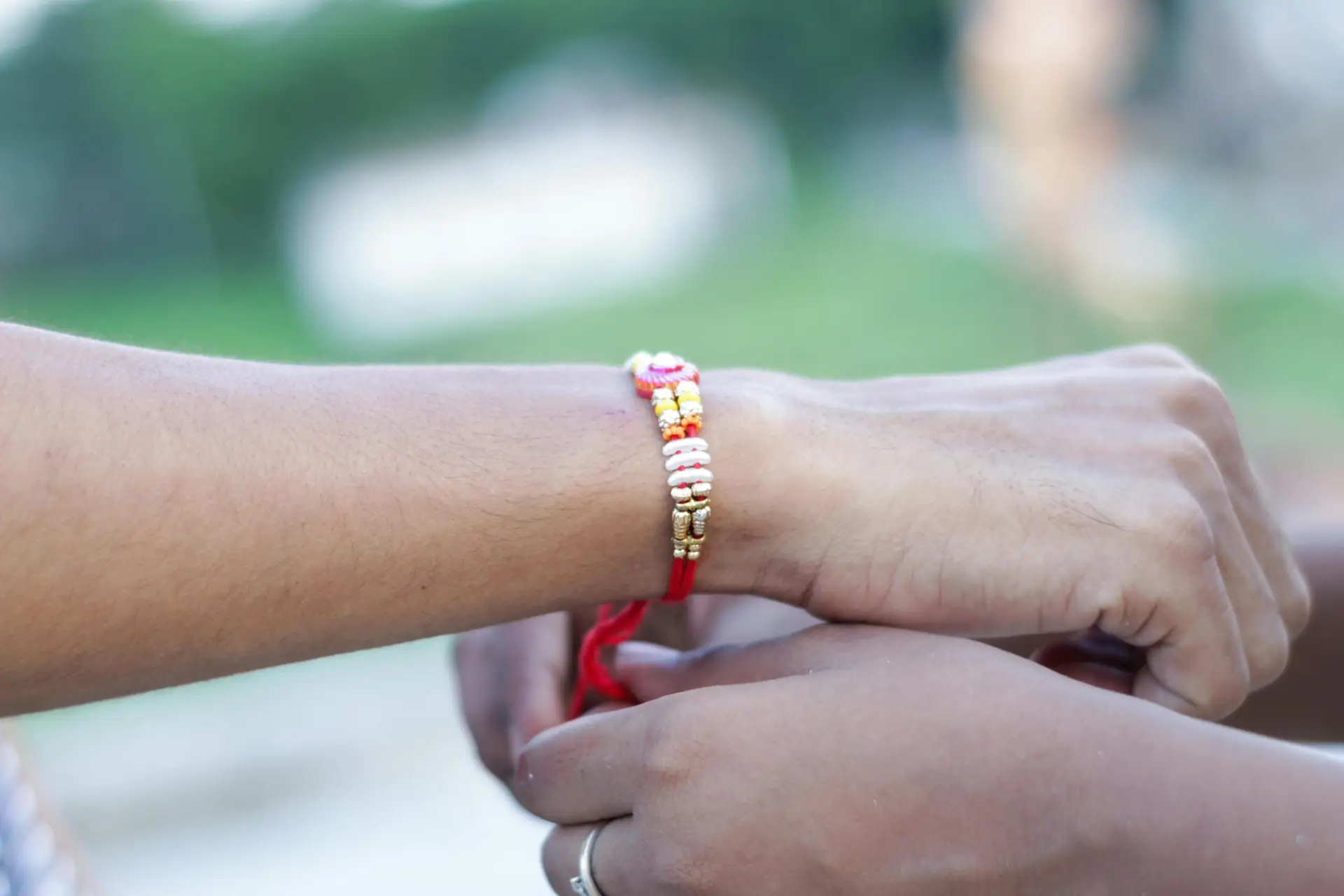
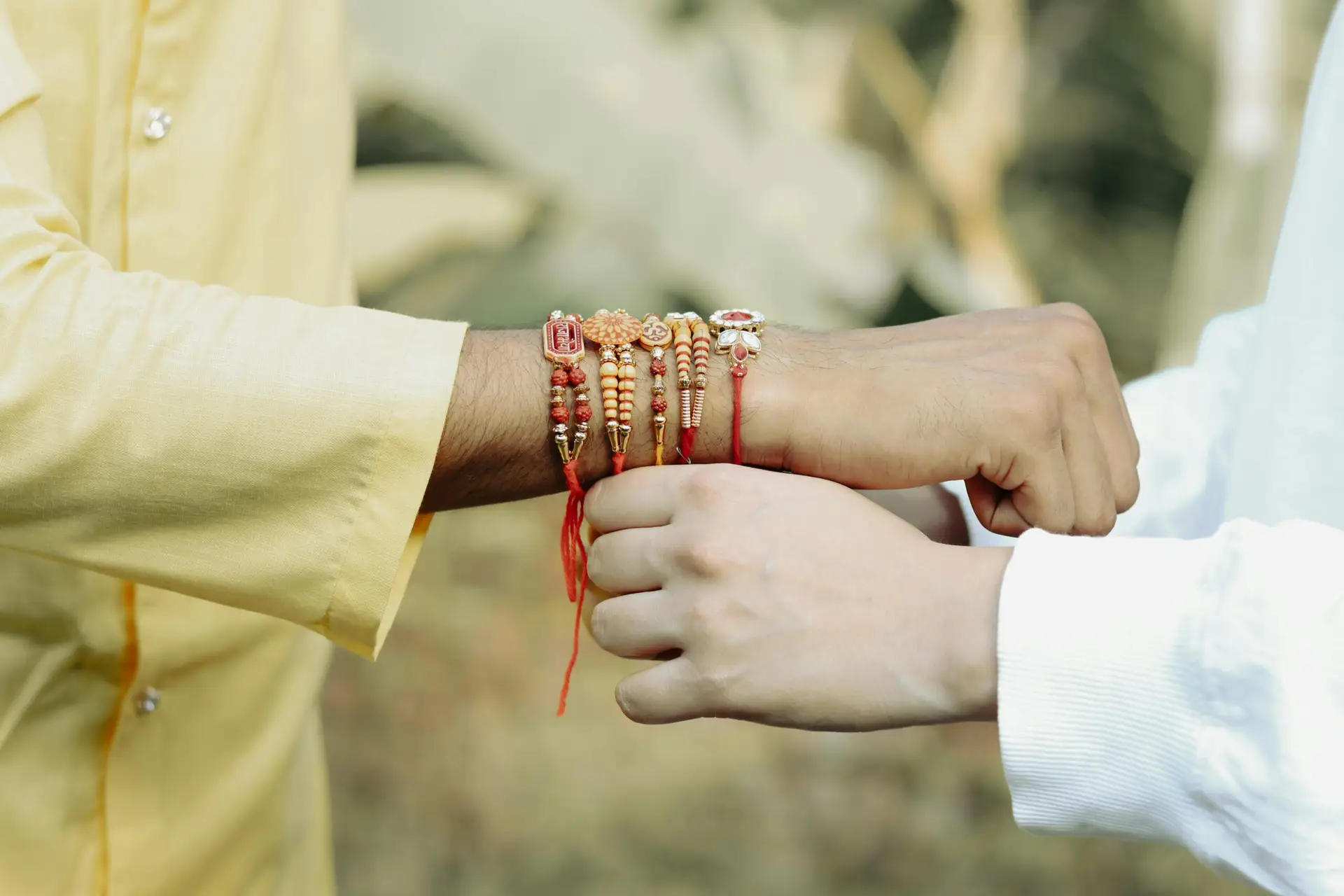
>>>>>>>>lass=”yoast-text-mark” />>Raksha Bandhan, often affectionately dubbed as the “Festival of Sibling Love,” is a vibrant celebration that takes place annually, typically in August, during the full moon of the Hindu month of Shravana. It’s a day when brothers and sisters come together to revel in their bond, with sisters tying a decorative thread called a rakhi around their brothers’ wrists, symbolizing protection and love. And let’s be honest, it’s also a day when brothers have to listen to their sisters’ endless rants without grumbling—at least for a few hours!
Significance of the Celebration
At its core, Raksha Bandhan emphasizes the unique bond between siblings. It’s a reminder that no matter how many sibling squabbles occur over the remote control or the last piece of cake, the love shared is unbreakable. The festival transcends blood relations, extending to close friends and cousins, underscoring the idea that protection and care can be found in any relationship where mutual respect thrives.
Historical Origins of Raksha Bandhan
Ancient Texts and References
The roots of Raksha Bandhan stretch back into ancient Indian scriptures. Historical texts like the “Markandeya Purana” and “Mahabharata” allude to rituals that resemble the rakhi tradition. In these texts, the rakhi symbolizes safety and brotherhood, with references dating back centuries, showcasing how this age-old tradition has stood the test of time—kind of like that worn-out family photo you can’t seem to throw away!
Mythological Stories Associated with Raksha Bandhan
There’s a treasure trove of mythological stories tied to the origins of Raksha Bandhan. One of the most famous tales involves the warrior king, Raja Bali, and the goddess Lakshmi. As the legend goes, Lakshmi tied a rakhi on Bali’s wrist, promising him protection in return for his kindness. Another popular story features Lord Krishna and Draupadi, where Krishna vows to protect her after she ties a rakhi on him, showcasing that this bond transcends mere familial ties—it’s all about loyalty and trust.
Cultural Significance of the Festival
The Bond Between Siblings
Raksha Bandhan is all about celebrating that special sibling connection. It’s the annual reminder to cherish the quirks, the inside jokes, and yes, even the embarrassing childhood stories. It’s a day soaked in nostalgia, as siblings rekindle old memories, share laughter, and offer a promise to support each other through thick and thin—like when your sister helps you dodge family obligations or when your brother saves you from awkward social gatherings.
Broader Social Implications
Beyond the immediate sibling relationship, Raksha Bandhan also has broader social implications, promoting values of protection and care in society. It cultivates an atmosphere of harmony and peace, reinforcing the idea that care extends to the community. In a world that sometimes feels a bit chaotic, the festival stands as a reminder that with every rakhi tied, we are weaving threads of love and support that bind not just families, but entire communities together.
Traditional Rituals and Practices
Preparation for the Celebration
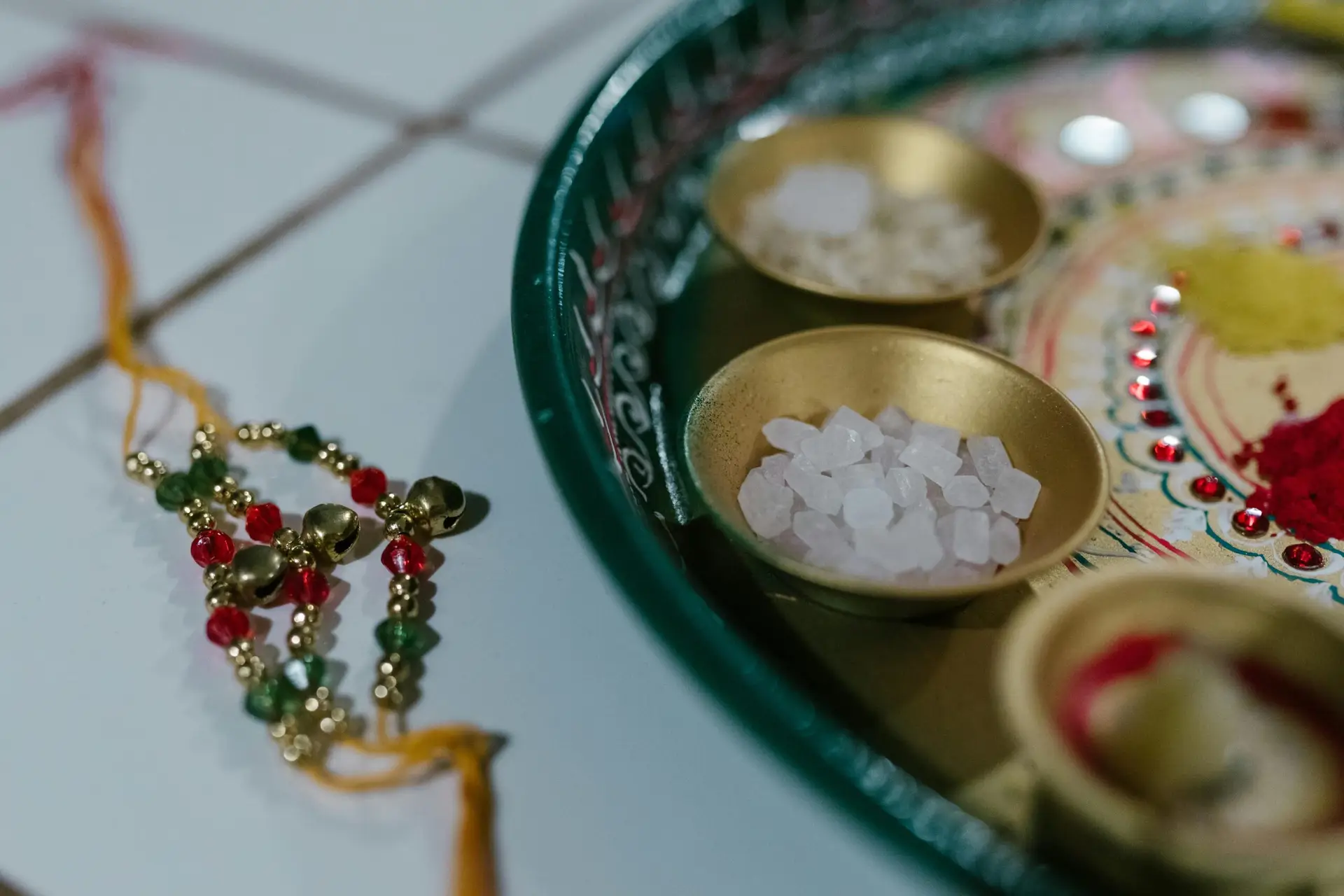
Preparation for Raksha Bandhan is practically its own festival. Sisters hit the market days in advance to find the perfect rakhi—because let’s face it, a basic rakhi just won’t cut it. They also prepare pooja thalis filled with sweets, diya, and other goodies as part of the ritual. The excitement builds as families clean their homes and decorate with bright colors, all while engaging in light-hearted sibling banter about who has the better rakhi this year.
The Ritual of Tying the Rakhi
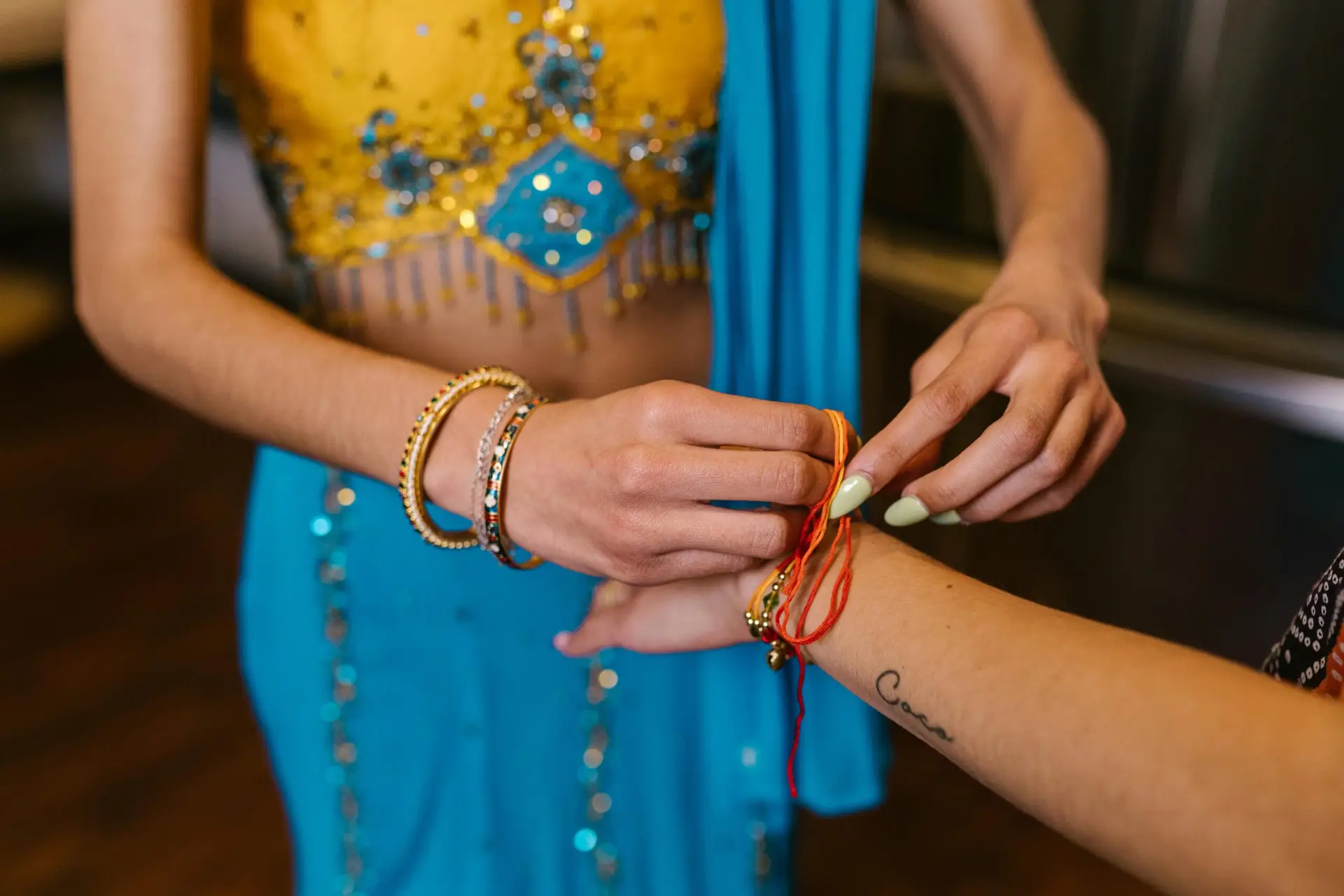
The heart of Raksha Bandhan lies in the moment when the rakhi is tied. The sister performs a small prayer, asking for the well-being of her brother while placing a rakhi on his wrist, often followed by a touch of kumkum on his forehead. This ritual is a beautiful blend of devotion and love—like a heartfelt Instagram post, minus the filters!
Exchanging Gifts and Sweets
No celebration is complete without sweets and gifts! After the rakhi is tied, it’s customary for brothers to shower their sisters with gifts as a token of their appreciation. A variety of sweets fill the air with delightful aromas, and families often indulge in traditional treats like ladoos and barfi. It’s a sugar high and a heartwarming finale to a day filled with laughter, love, and a whole lot of sibling shenanigans!## Evolution of Raksha Bandhan Celebrations
Regional Variations in Celebrations
>>>>>Raksha Bandhan is not just a one-size-fits-all festival; it’s a colorful tapestry woven from the threads of diverse traditions across India. In North India, sisters tie rakhis (the sacred thread) around their brothers’ wrists, often accompanied by sweet treats and a sprinkle of brotherly affection—or at least a promise of it. Meanwhile, in the western states, brothers might gift their sisters cash and other goodies, possibly in the hope that they don’t have to return the favor. Down south, some families honor the occasion with rituals that can include special prayers or even adornments like flowers. Each region adds its unique flair to the festivities, turning a simple thread into a cultural phenomenon, proving that while the love remains the same, the ways to celebrate it can vary wildly—much like family drama during the holidays!
Changes Over the Decades
If you think Raksha Bandhan is a recent invention, you’re in for a surprise! Over the decades, it has evolved from a purely familial affair to a celebration that readily embraces modern influences. The traditional rakhis have undergone a makeover, now featuring everything from quirky designs to celebrity endorsements. Once upon a time, the celebration was about modest gifts and simple ceremonies; now, it includes lavish parties and social media shoutouts that can put any wedding to shame. And let’s not forget the shift in dynamics—sisters are often as fierce and independent as they come, sometimes even bestowing their brothers with gifts that are more extravagant than their own. Who knew sibling love could be so competitive?
Raksha Bandhan in Modern Society
Influence of Technology and Social Media
Ah, the digital age! A time when relationships are just a selfie and a hashtag away. Raksha Bandhan has fully embraced this tech-savvy culture. Thanks to social media, siblings are not just sending rakhis but also posting heartfelt messages (#RakshaBandhanGoals) that make us all a little envious. Video calls have replaced lengthy road trips to visit brothers or sisters who are far away, creating a virtual bond that can span continents. This means that even if you’re all the way in Timbuktu and your sibling is in Tokyo, you can still tie that metaphorical rakhi—albeit without the delicious sweets. Technology has made it easier than ever to express love, ensuring that even the most distant sibling feels cherished on this special day.
Contemporary Interpretations of the Festival
In today’s world, Raksha Bandhan has evolved beyond the traditional confines of brother-sister relationships. It now recognizes bonds of love and protection between friends, cousins, and even neighbors. The definition of “sibling” has become beautifully inclusive, with people tying rakhis to those who have been their unwavering support systems. Moreover, some are steering away from consumerism and opting for eco-friendly rakhis or experiences instead of material gifts, further aligning the festival with modern values like sustainability. Who knew that a thread could lead to such thoughtful conversations about love, community, and our responsibility to the planet?
Global Recognition and Celebrations
Celebration Beyond India
>>>>>Believe it or not, Raksha Bandhan has made its way around the world, inviting people from various cultures to join in on the fun. In countries with sizable Indian communities, such as the USA, Canada, and the UK, celebrations are held with all the bells and whistles—figuratively and literally! From community events that offer traditional food to workshops on how to make your own rakhis, it’s a global family reunion that keeps the spirit alive. Whether it’s in a backyard or a community center, the festival captures the essence of sibling love, proving that no one can resist the charm of tying a thread around a wrist—even if they later ask, “What’s this for again?”
International Awareness and Events
>>>>>With the rise of globalization, Raksha Bandhan is gradually catching the attention of non-Indian communities, sparking curiosity and appreciation for diverse traditions. Events promoting cultural exchange and awareness have emerged, where people learn about Raksha Bandhan, participate in celebrations, and maybe even tie a rakhi as a symbol of friendship. This newfound interest fosters understanding and camaraderie among different cultures, suggesting that the spirit of the festival—protection, love, and togetherness—transcends borders. Who knew that a simple thread could weave such connections around the globe?
<h2>Conclusion: The Enduring Bond of Siblings
Reflections on Tradition and Modernity
>As we look back at the evolution of
Raksha Bandhan, it’s clear that this celebration has successfully adapted to the winds of change while still holding onto its core essence. While modern influences have added a twist, the heart of the festival remains anchored in unconditional love, protective promises, and the joy of togetherness. It invites us to reflect on the beautiful mess that defines sibling relationships—full of laughter, tears, and the occasional spirited debate over who ate the last slice of cake.
The Future of Raksha Bandhan Celebrations
So, what does the future hold for Raksha Bandhan? If trends continue, we can expect even more inventive ways to celebrate this cherished day. Perhaps we’ll see virtual rakhis that come with an app or a “rakhi gift subscription box” that surprises siblings every month. One thing is for sure: as long as there are siblings—and let’s face it, there always will be—Raksha Bandhan will continue to thrive, reminding us of the enduring bonds of love and protection, regardless of location or tradition. After all, at the end of the day, it’s not about the thread but the love that ties us together.In conclusion, Raksha Bandhan is more than just a festival; it is a heartfelt celebration of the unique and cherished bond between siblings. As we have explored, its rich history and vibrant traditions continue to evolve, resonating with people across generations and cultures. Whether through age-old rituals or modern adaptations, the essence of Raksha Bandhan remains rooted in love, protection, and the promise of unwavering support. As we celebrate this special occasion, let us cherish the moments we share with our siblings and strengthen the bonds that connect us, ensuring that the spirit of Raksha Bandhan endures for years to come.
Frequently Asked Questions about Raksha Bandhan
What is the significance of tying a Rakhi?
>The tying of a Rakhi is a symbo
lic gesture that represents the sister’s love and prayers for her brother’s well-being, while the brother pledges to protect and support his sister throughout her life.
When
is Raksha Bandhan celebrated?
>>>>>Raksha Bandhan is celebrated on the full moon day of the Hindu month of Shravana, which typically falls in July or August. The exact date varies each year based on the lunar calendar.
Are there any specific rituals associated with Raksha Bandhan?</p></p></p>
>>=”yoast-text-mark” />>>Yes, traditional rituals include the sister applying a tilak
(a mark on the forehead) on her brother, tying
the Rakhi around his wrist, and performing aarti
(a ceremonial worship). Brothers, in turn, offer gifts and sweets in return.
How is Raksha Bandhan celebrated in different cultures?
While Raksha Bandhan is primarily celebrated among Hindus, variations exist in different regions and cultures. Some communities may incorporate unique customs and practices, reflecting their local traditions while honoring the core essence of sibling bonds.
About The Author





Reading this feels like listening to distant birds at dawn — subtle, persistent, and full of nuance, awakening awareness and evoking reflection in quiet, persistent ways.